Charlie’s Herd
Equine Experiential Therapy in Evesham
Serving Worcestershire, Shropshire, Oxfordshire, and Northamptonshire
In Equine-Assisted Therapy, horses act as profound biofeedback systems that help recalibrate the human brain and autonomic nervous system (ANS). Because trauma and chronic stress lock the human brain into "top-down" cognitive loops or "bottom-up" survival states, traditional talk therapy can sometimes struggle to break through. Interacting experientially with a horse bypasses the intellectual defenses of the human brain, triggering direct neurobiological shifts.
Private 8-Acre Therapeutic Facility in Evesham
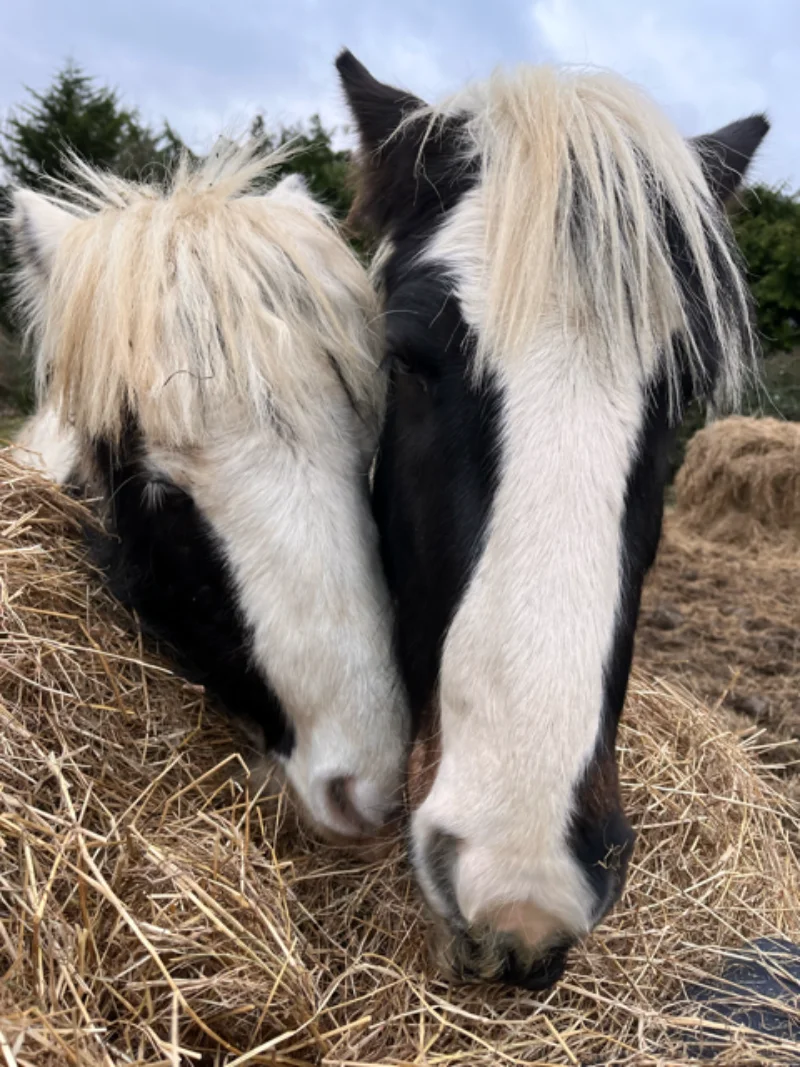
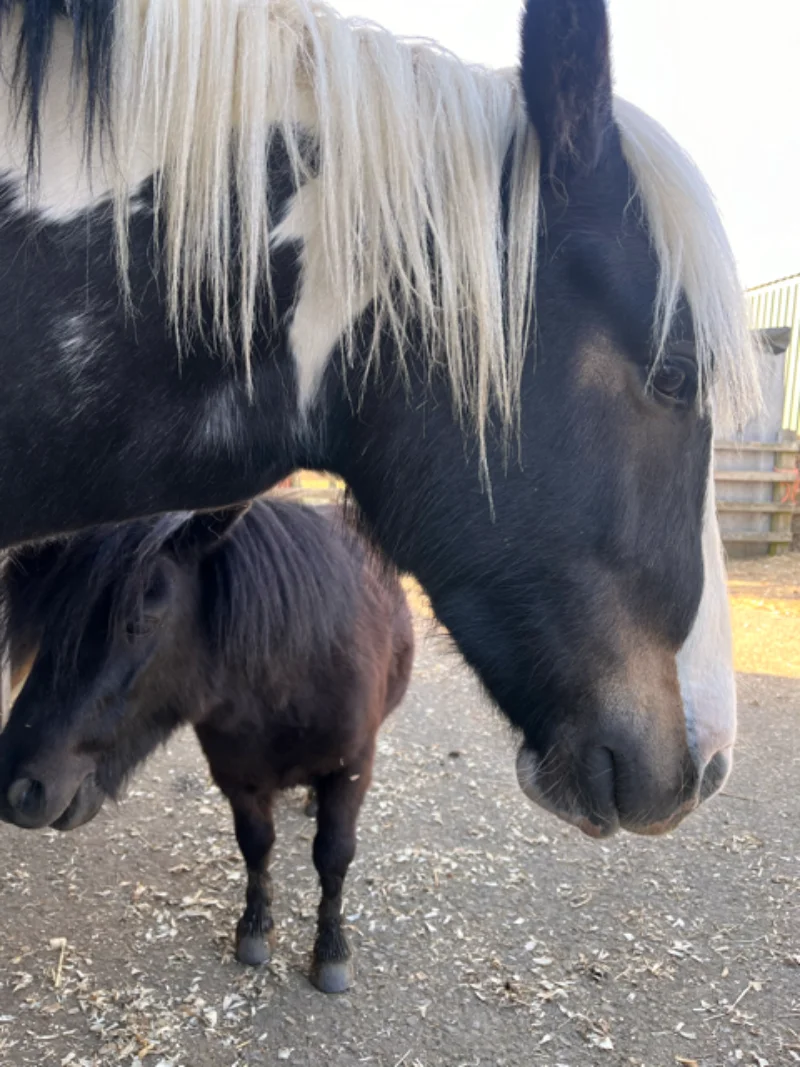
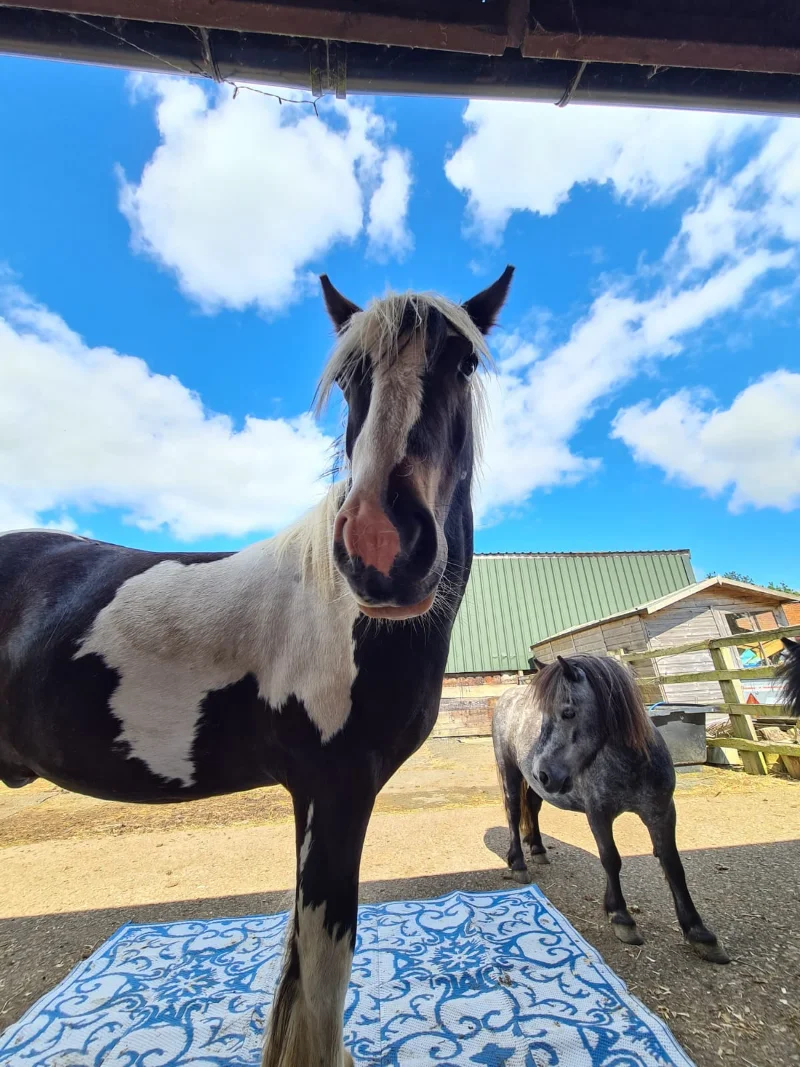
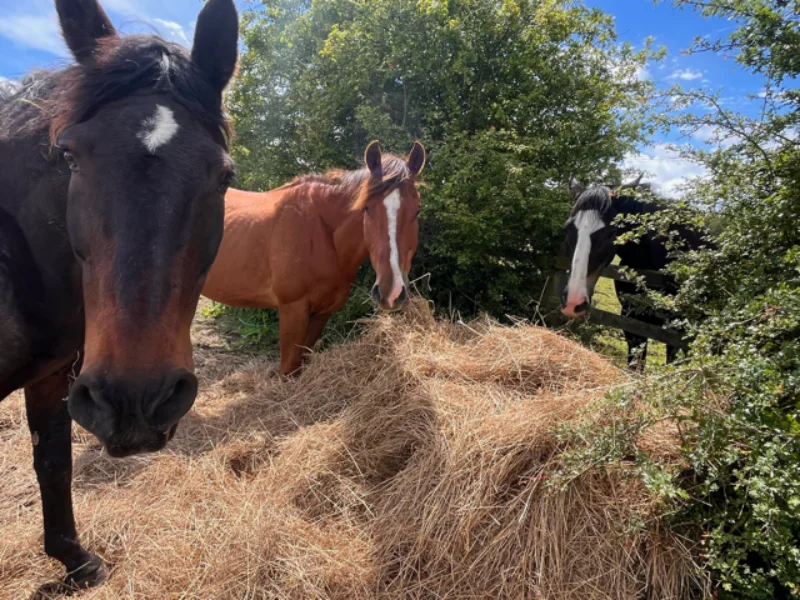
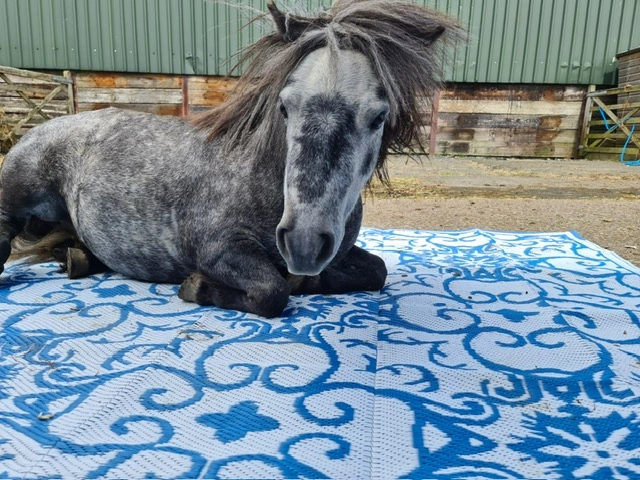
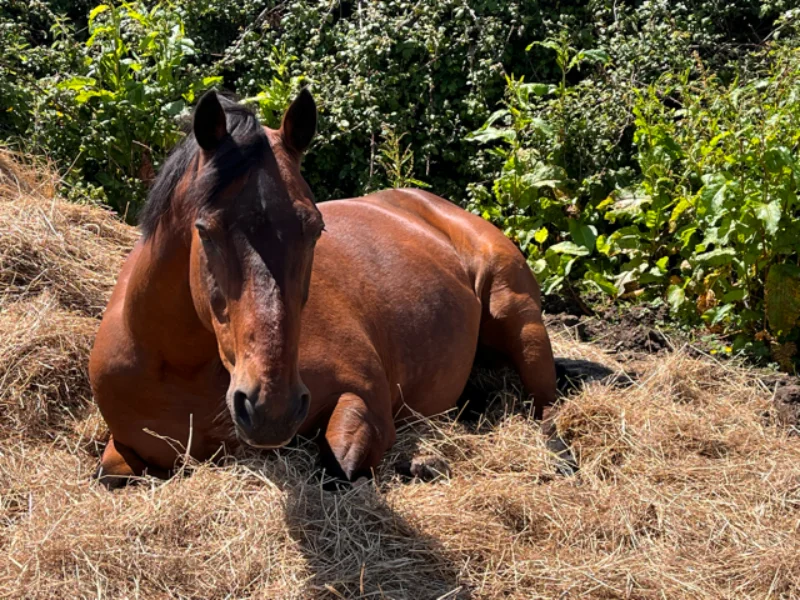
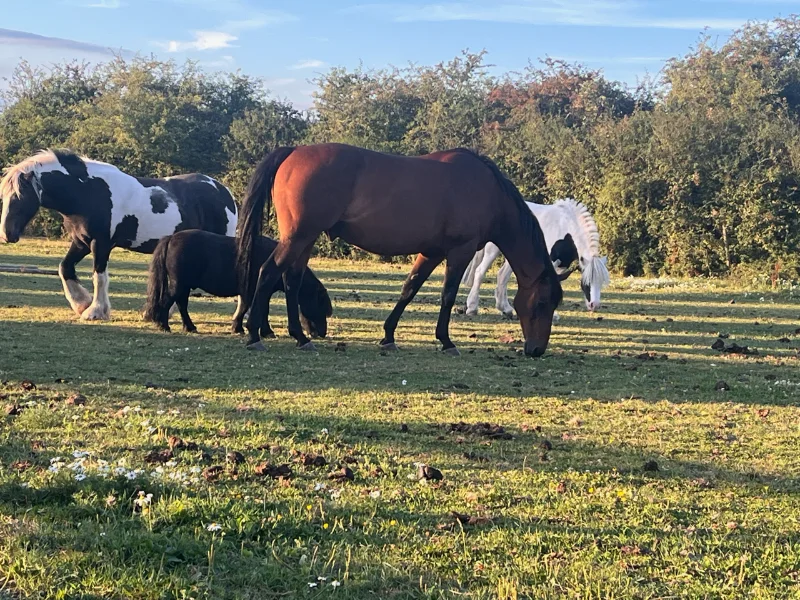
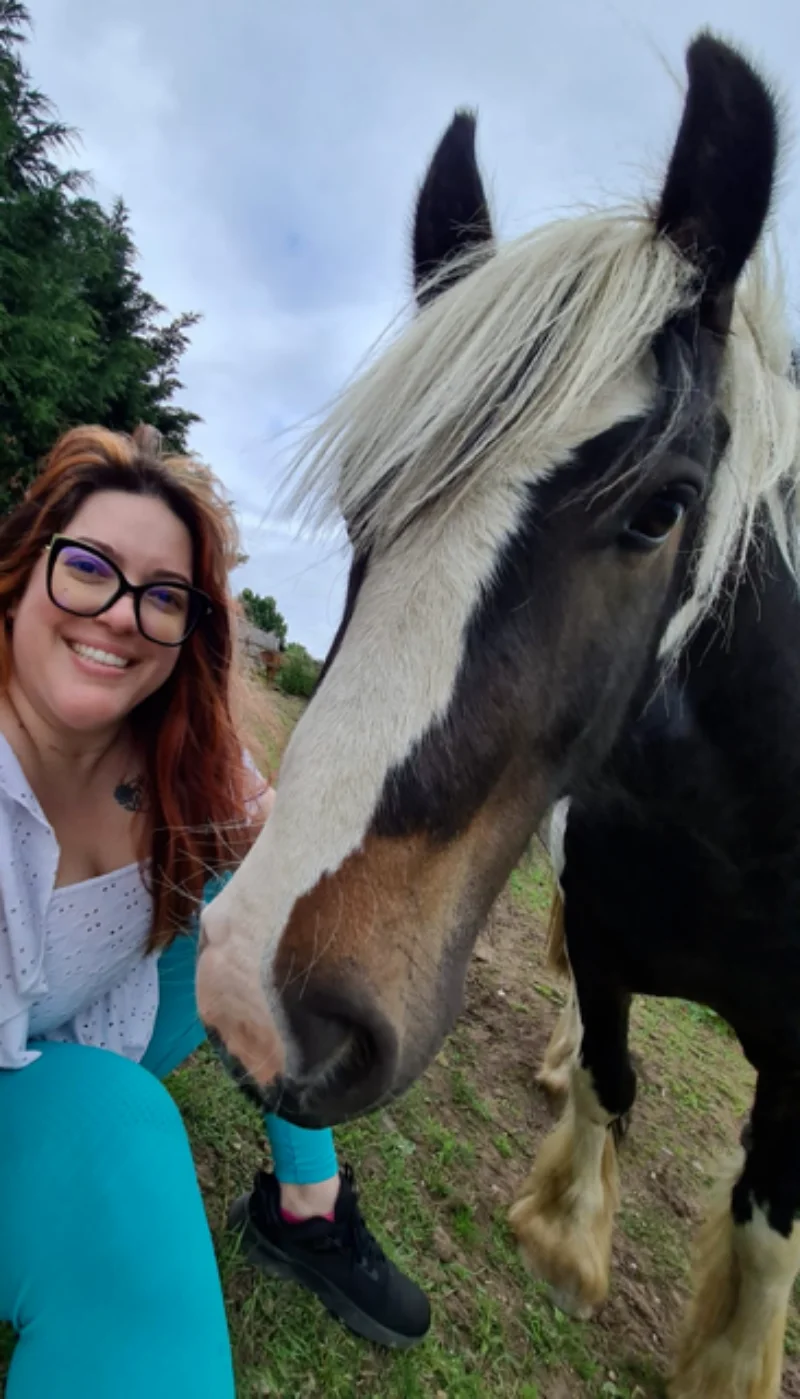
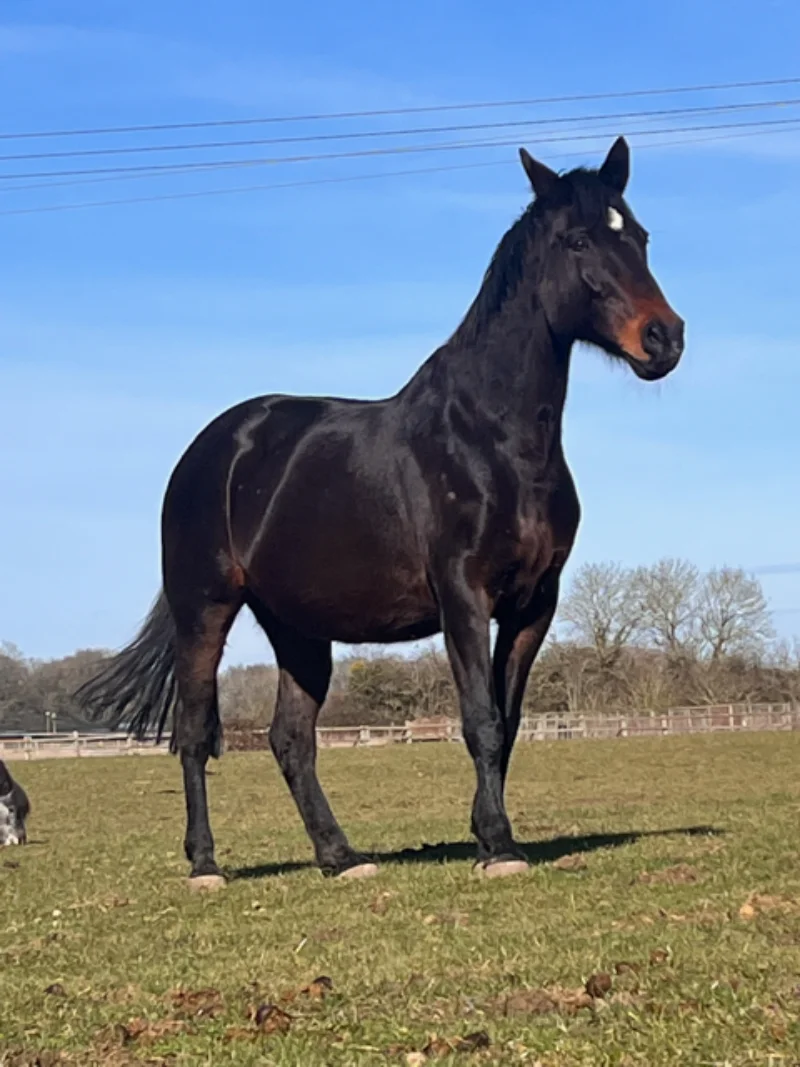
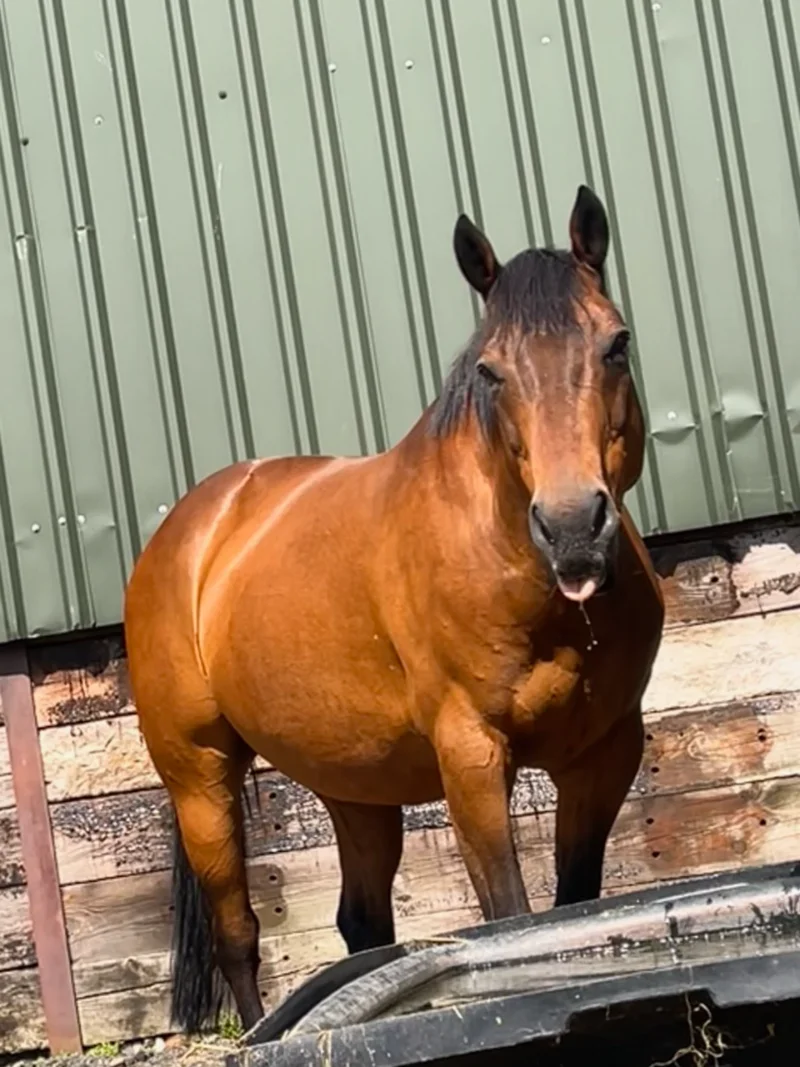
We have our herd of therapy horses just outside Evesham where we have a private facility with barns and stables set in 8 acres. We have both small and large spaces to work with the horses and there is no riding involved. We have mini Shetlands and ponies for children an larger horses for adults. The sessions are approximately 1 hour although can be longer if required.

About Santha Payne
Psychotherapist & Equine Specialist
I’m a Psychotherapist with over 25 years experience working with clients in the therapy room and with horses.
My approach combines deep clinical understanding with the powerful, natural healing environment of our herd just outside Evesham. By introducing clients to non-judgmental, biofeedback-driven interactions with our horses, we help bridge the gap between psychological reflection and physical nervous system regulation.
How Equine Therapy Works
Neurobiology and Biological Co-Regulation
1. Bottom-Up Processing & Neuroplasticity
Traditional therapy is "top-down"—using thoughts to change feelings. Equine therapy is "bottom-up", beginning with raw sensory and physiological data. [1, 2]
Rewiring the Trauma Loop: The brainstem and limbic system process the horse's massive physical presence and non-verbal cues before the thinking brain (prefrontal cortex) can analyze them. [1, 2, 3]
Encouraging Neuroplasticity: This emotionally safe, non-judgmental, and highly novel environment stimulates neuroplasticity. The human brain begins building new, healthier neural pathways associated with safety, lowering the chronic "false alarms" caused by past trauma. [1, 2, 3]
3. Enforced Emotional Congruence
Horses do not understand human words, but they are masters at reading muscle tension, micro-expressions, breathing patterns, and heart rates. [1, 2]
The "Mirror" Effect: If a client walks into an arena pretending to be calm while internally feeling high anxiety, the horse will pick up on the internal threat response and move away or become restless. [1, 2]
Bypassing Incongruence: To get the horse to engage, the human is forced to acknowledge their true internal state. The moment the human takes a deep breath and accepts their anxiety, the horse senses this emotional congruence and will typically soften, lower its head, or step closer. This teaches the human brain that processing and expressing raw, true emotion—rather than suppressing it—leads to immediate safety and connection. [1, 2, 3, 4, 5]
2. Biological Co-Regulation
As herd animals, horses possess a highly developed social nervous system that continuously reads the internal states of those around them. [1]
Heart Rhythm Synchronization: Research from institutions like the HeartMath Institute shows that horses have a massive electromagnetic heart field. When a human stands near a calm, regulated horse, the human's heart rate variability (HRV) can synchronize with the horse's stable rhythm. [1, 2, 3]
Biochemical Shifts: This physiological attunement signals the human brain to curb production of stress hormones like cortisol while actively boosting oxytocin (the bonding hormone), dopamine, and serotonin. [1, 2]
4. Somatosensory and Vestibular Input
For therapies involving riding or active physical handling, the horse provides continuous rhythmic movement.[1, 2]
Neurostimulation: A horse's stride precisely mimics the exact multi-dimensional pelvic movement of a human walk.
Soothed Amygdala: This rhythmic, repetitive physical motion sends a steady stream of soothing sensory data to the human cerebellum and vestibular system. It reassures the hyper-vigilant amygdala that the body is moving safely through time and space, pulling the client out of a rigid "freeze" response.
More to come...
Sessions and Fees | Charlie’s Herd
Specialist Equine-Assisted Sessions in Evesham
£65 for hour sessions
The sessions are approximately 1 hour although can be longer if required.
n-person sessions only at our private facility near Evesham. No riding involved.
Get in touch
© Charlie’s Herd
powered by WebHealer